


























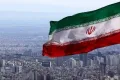



















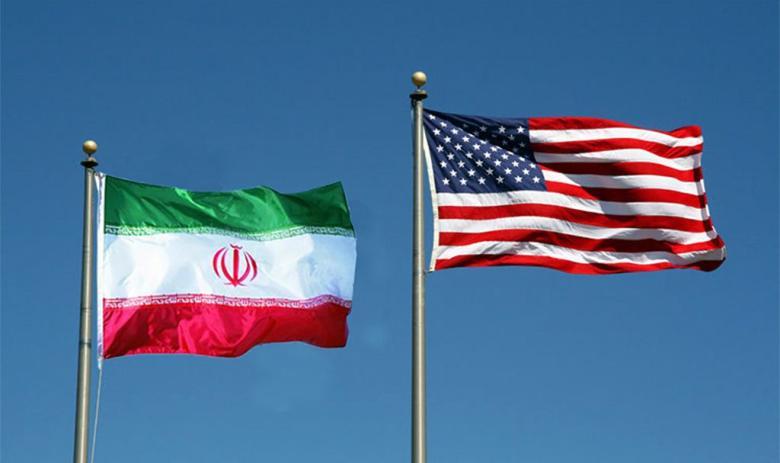
The official, familiar with the details of the proposal, stressed that Iran will not allow U.S. President Donald Trump to dictate the terms for ending the war.
“Iran will end the war when it itself deems it necessary and when its conditions are met,” he said, emphasizing Tehran’s resolve to continue its defense and inflict “heavy blows” on the enemy until all demands are fulfilled.
According to him, Washington has been attempting to negotiate through various diplomatic channels, offering Tehran measures that the Iranian side considers “excessive” and disconnected from the reality of U.S. failure on the battlefield.
The official drew a parallel with two previous rounds of negotiations in spring and winter 2025, describing them as deceptive. In both cases, he emphasized, the U.S. had no genuine intention of engaging in constructive dialogue and subsequently carried out military aggression against Iran.
Tehran thus regarded the latest proposal, delivered through a friendly regional intermediary, as an attempt to increase pressure, and responded negatively.
The official outlined five specific conditions under which Iran would agree to cease hostilities: A complete halt to the enemy’s “aggression and killings.”
The creation of concrete mechanisms guaranteeing that the war will not be imposed on the Islamic Republic again.
Guaranteed and clearly defined payment of war damages and reparations.
An end to the war on all fronts and for all resistance groups in the region.
International recognition and guarantees of Iran’s sovereign right to exercise control over the Strait of Hormuz.
The official added that these demands supplement the conditions already presented by Tehran during the second round of negotiations in Geneva, held just days before the new wave of U.S. and Israeli aggression on February 28.
Iran has informed all good-faith intermediaries that a ceasefire is possible only if all conditions are accepted.
“Until then, no negotiations will take place,” the official stressed, adding that Iran’s defensive operations will continue until all stated conditions are met.
“The end of the war will come when Iran decides — not when Trump envisions its conclusion,” he added.
The unprovoked and illegal war was launched on February 28 — during indirect nuclear negotiations — with the assassination of the Leader of the Islamic Revolution, Ayatollah Seyyed Ali Khamenei, along with a number of senior military and government officials.
In response, Iran’s armed forces have already carried out approximately 80 waves of retaliatory strikes targeting American and Israeli military facilities across the region.
In recent days, the U.S. has been engaging several regional countries as intermediaries in an attempt to persuade Iran to halt its retaliatory strikes, which have devastated American and Israeli military infrastructure, and to ensure the free passage of American vessels through the Strait of Hormuz.
 U.S. and Iran presidents sign ceasefire agreement
 The US promises "hell" to Iran if the latter does not make a deal
 Trump stated that Iran is seeking an agreement
 Iran reports US missile strike on school in Khomeyn city
 Cross-stone dedicated to Armenian Genocide victims installed in Saint-Chamond, France
 Armenian welfare ministry seeks to extend pension cashback program
 Armenian government reiterates commitment to prompt signing of peace agreement with
 United States donates $1.4 million in equipment to strengthen Armenia’s border security