






















Armenia is the only country in the world in an active visa liberalization dialogue with the EU, Kos
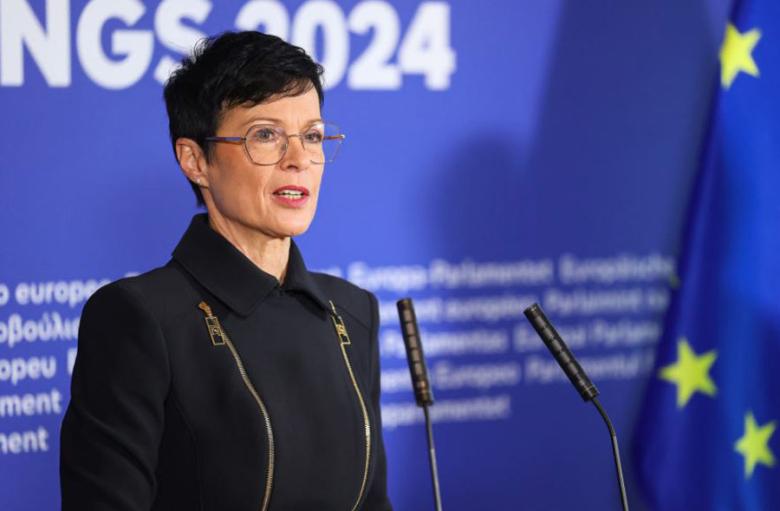
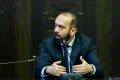
EU Commissioner for Enlargement and Neighborhood Policy Marta Kos has underscored the strategic importance of the Transport and Rail Infrastructure Project in the South Caucasus (TRIPP), emphasizing its role in enhancing Armenia’s connectivity, economic independence, and integration into broader European infrastructure networks.
Speaking to reporters in Brussels, Kos explained that the TRIPP project, a 42-kilometer rail link, is a key element of the EU’s connectivity agenda in the region. “For us, this project is about more than just 42 kilometers of railway. It’s part of a broader vision connecting Central Asia to Europe,” she said, highlighting the importance of coordinated planning across borders and sectors.
The Commissioner stressed that the project requires close collaboration among multiple stakeholders, including the Armenian government, international financial institutions such as the World Bank, European Investment Bank, and European Bank for Reconstruction and Development, and private businesses. “Governments alone cannot finance everything. We need partners who know how to manage financing and implementation,” Kos noted.
She also highlighted the EU’s commitment to ensuring that TRIPP is integrated with other regional initiatives, particularly those involving Turkey and Azerbaijan, to maximize the benefits of cross-border trade and transport. Coordination, Kos emphasized, is essential to avoid fragmented efforts and to ensure that investments in infrastructure yield tangible benefits for local economies.
Beyond infrastructure, the Commissioner framed TRIPP as part of a broader EU strategy to support Armenia’s economic resilience, energy independence, and democratic development. She noted that Armenia’s participation in projects like the Caucasus Transmission Network, a 500-million-euro initiative connecting Armenia’s power grid with Georgia, complements TRIPP by reducing energy dependence on Russia and fostering regional integration.
Kos also stressed the long-term vision behind these investments. “It is essential that projects like TRIPP are sustainable and beneficial to the Armenian people, regardless of political changes,” she said, drawing parallels to EU support in countries like Georgia and Moldova, where investments in civil society and infrastructure continued despite shifts in government.
Finally, the Commissioner highlighted the EU’s holistic approach to connectivity, combining transport, energy, trade, and digitalization, and encouraged Armenia to prioritize projects that align with these goals. “Coordination is key. Different countries and institutions have different interests, but we share a common objective: to strengthen Armenia’s integration into European networks and support regional stability,” Kos concluded.
 Armenian government reiterates commitment to prompt signing of peace agreement with
 United States donates $1.4 million in equipment to strengthen Armenia’s border security