























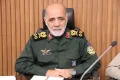












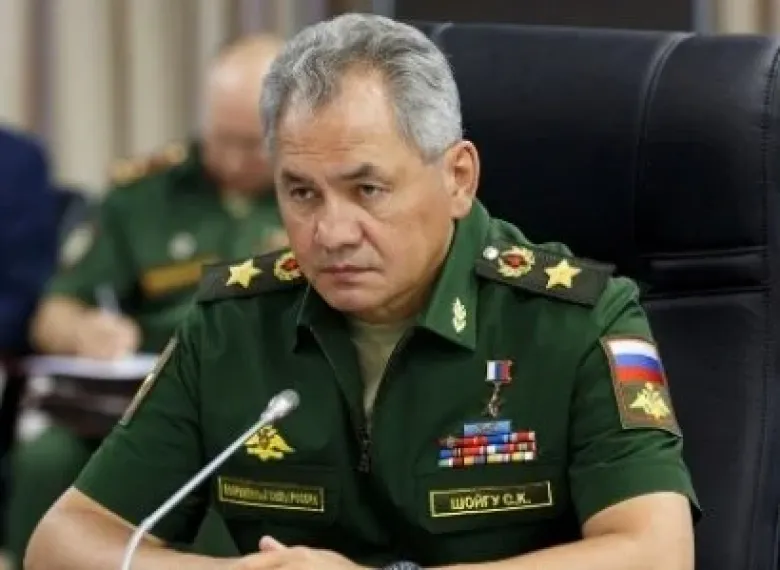
“Effective communication mechanisms are being created, which are necessary for the mobilization of the masses, their management, as well as the manipulation of public consciousness,” Shoigu wrote in his column for Izvestia, describing the West’s methods in organizing “color revolutions.”
According to the secretary of the Russian Security Council, “the dissemination of false information through media outlets and social networks subordinate to external curators is widely used to discredit the authorities (primarily based on accusations of corruption), to create a false sense of injustice and anxiety among the population.”
“Such a practice became widespread in Armenia in 2018 when organizing protests aimed at overthrowing President Serzh Sargsyan, during attempts to discredit the leadership of Serbia and the Republika Srpska of Bosnia and Herzegovina, as well as in the results of the parliamentary elections in Georgia in 2024, and during the election campaign in Hungary in February-April 2026,” Shoigu noted.
According to him, “for each ‘color revolution’ with the active role of NGOs, visual propaganda and symbol systems are developed that are attractive to the population, including universal signs, gestures and colors (the ‘velvet revolution’ in Armenia, the ‘Bloody Palm’ sign, and the ‘Pumpaj’ call as part of the protests in Serbia).”
“The intensity of information-propaganda and disinformation campaigns is growing sharply, in which leading foreign politicians and the first figures of the beneficiary states are directly engaged,” the secretary of the Russian Security Council concluded.
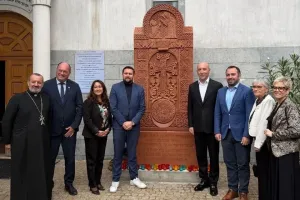 Cross-stone dedicated to Armenian Genocide victims installed in Saint-Chamond, France
 Armenian welfare ministry seeks to extend pension cashback program
 Armenian government reiterates commitment to prompt signing of peace agreement with
 United States donates $1.4 million in equipment to strengthen Armenia’s border security